
How Long Does It Take to Make Pottery?
One of the biggest surprises for first-time potters is discovering that ceramics can't be rushed. While you can create a beautiful bowl, mug or vase in a single workshop, the journey from soft clay to finished ceramic takes much longer. Understanding the process helps explain why handmade ceramics are so highly valued and why patience is one of the most important tools in any pottery studio.
Step 1: Making Your Piece
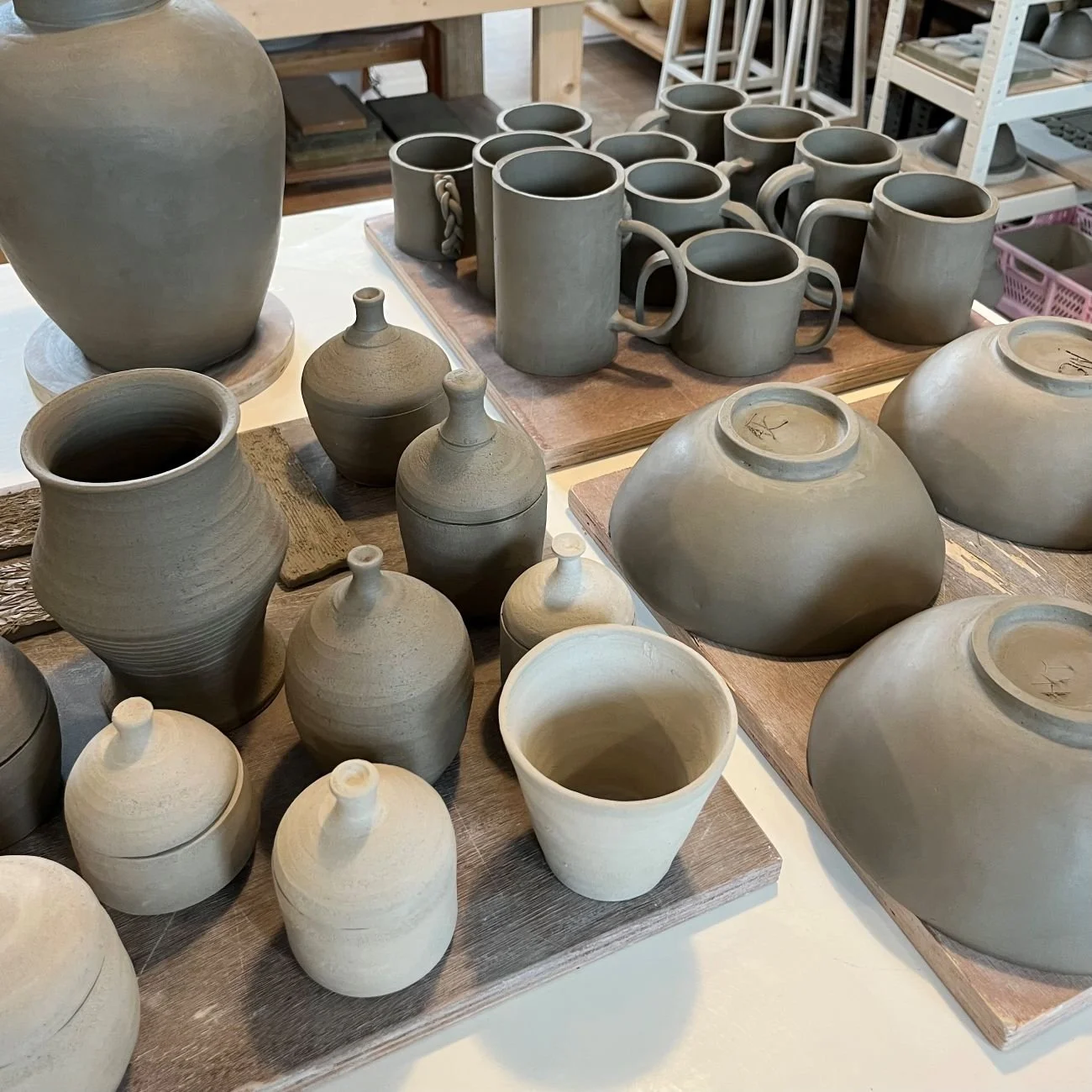
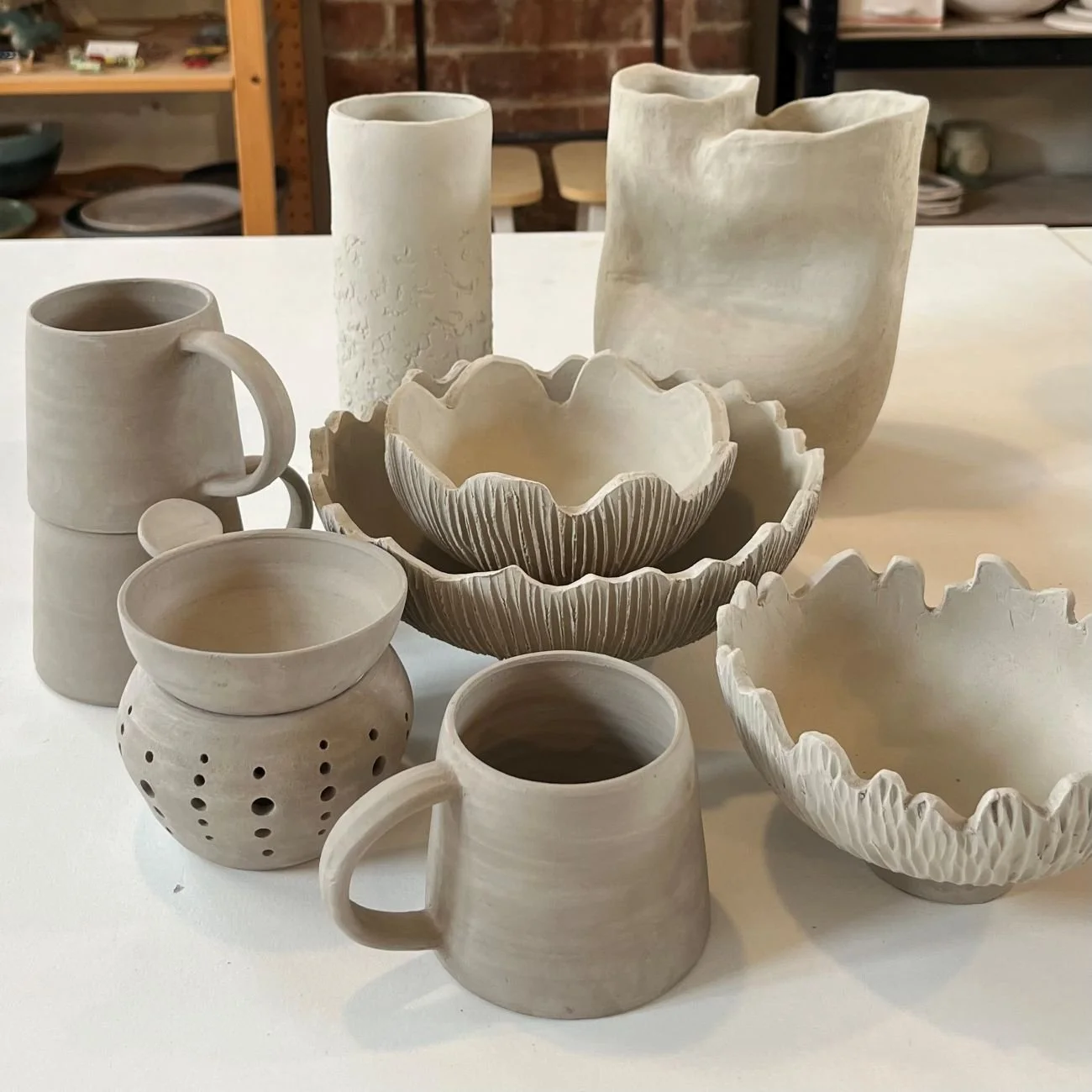
Most beginner pottery classes last between two and four hours. During this time you'll shape the clay using techniques such as slab building, pinching or coiling. By the end of the session you'll have completed your design, but it's still in its most fragile state, known as greenware.
At this stage it contains a large amount of water and needs to dry slowly before it can be fired.
Step 2: Drying
Drying usually takes anywhere from five days to two weeks.
Although it may feel dry on the surface after a few days, moisture remains deep inside the clay. If fired too early, trapped water can cause pieces to crack or even explode in the kiln. Slow, even drying gives your work the best chance of success.
Step 3: Bisque Firing
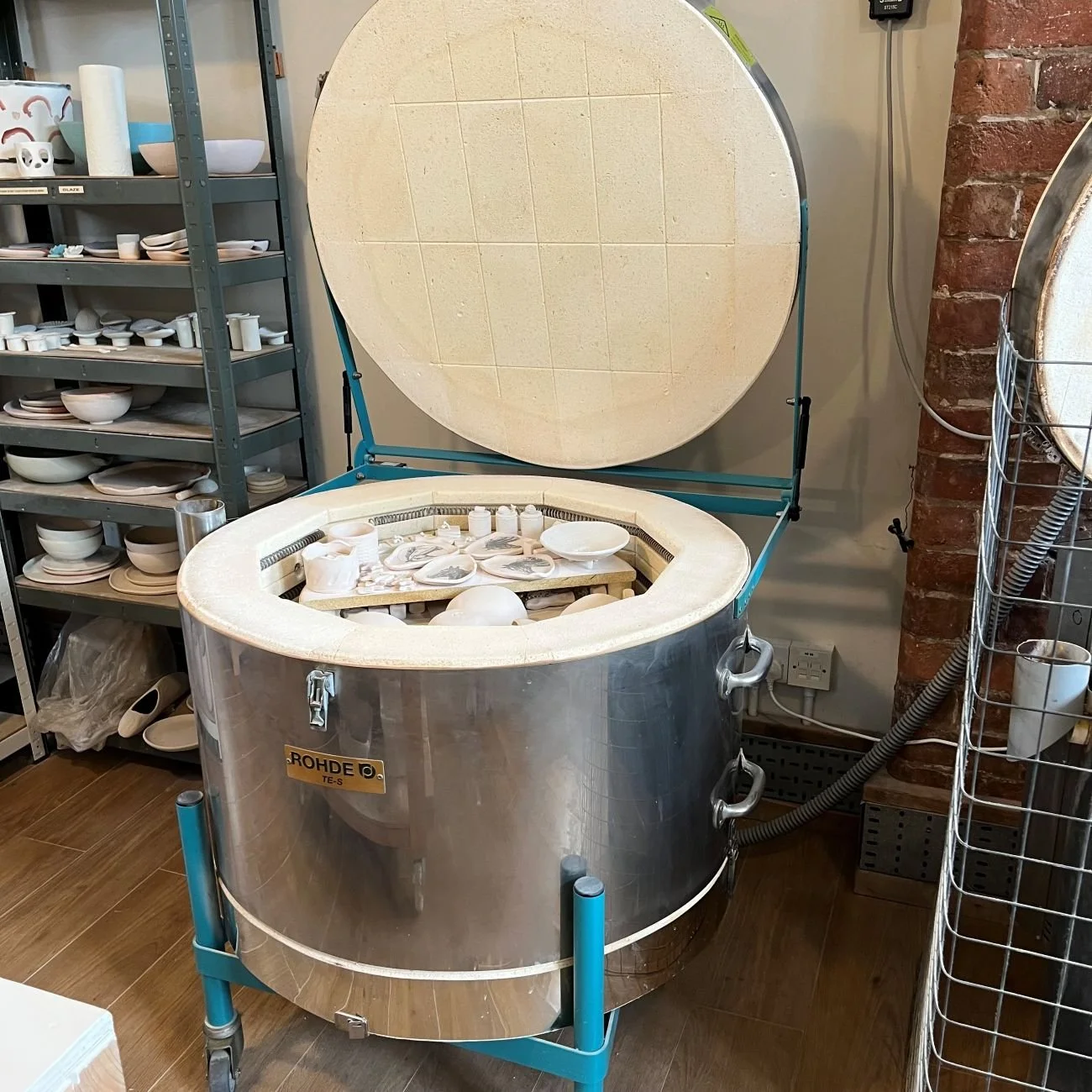
Once completely dry, your pottery is fired in a kiln at around 1000°C. (10 hours firing and 22 hours to cool down) This first firing transforms the fragile clay into a durable ceramic while leaving it porous enough to absorb glaze.
Step 4: Glazing
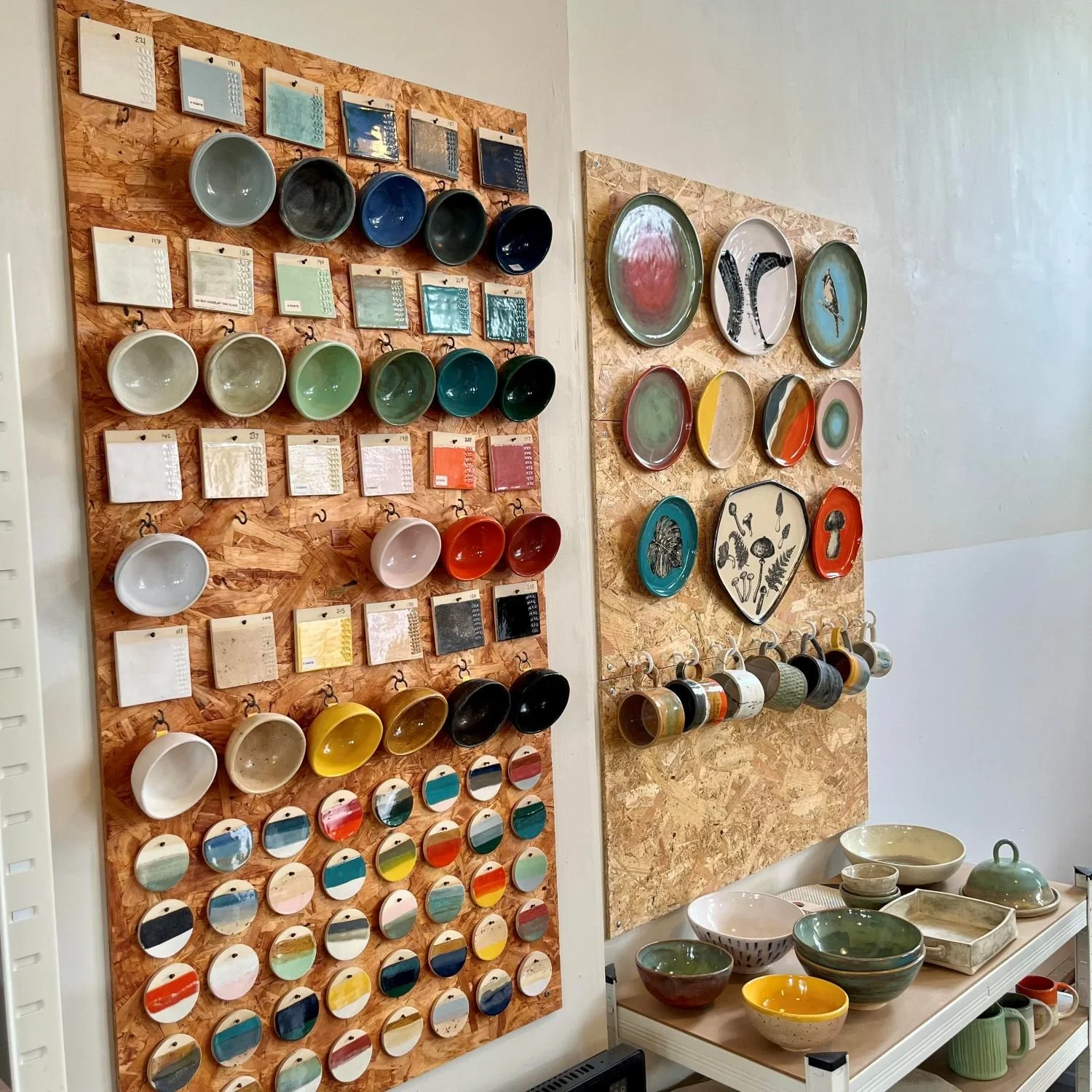
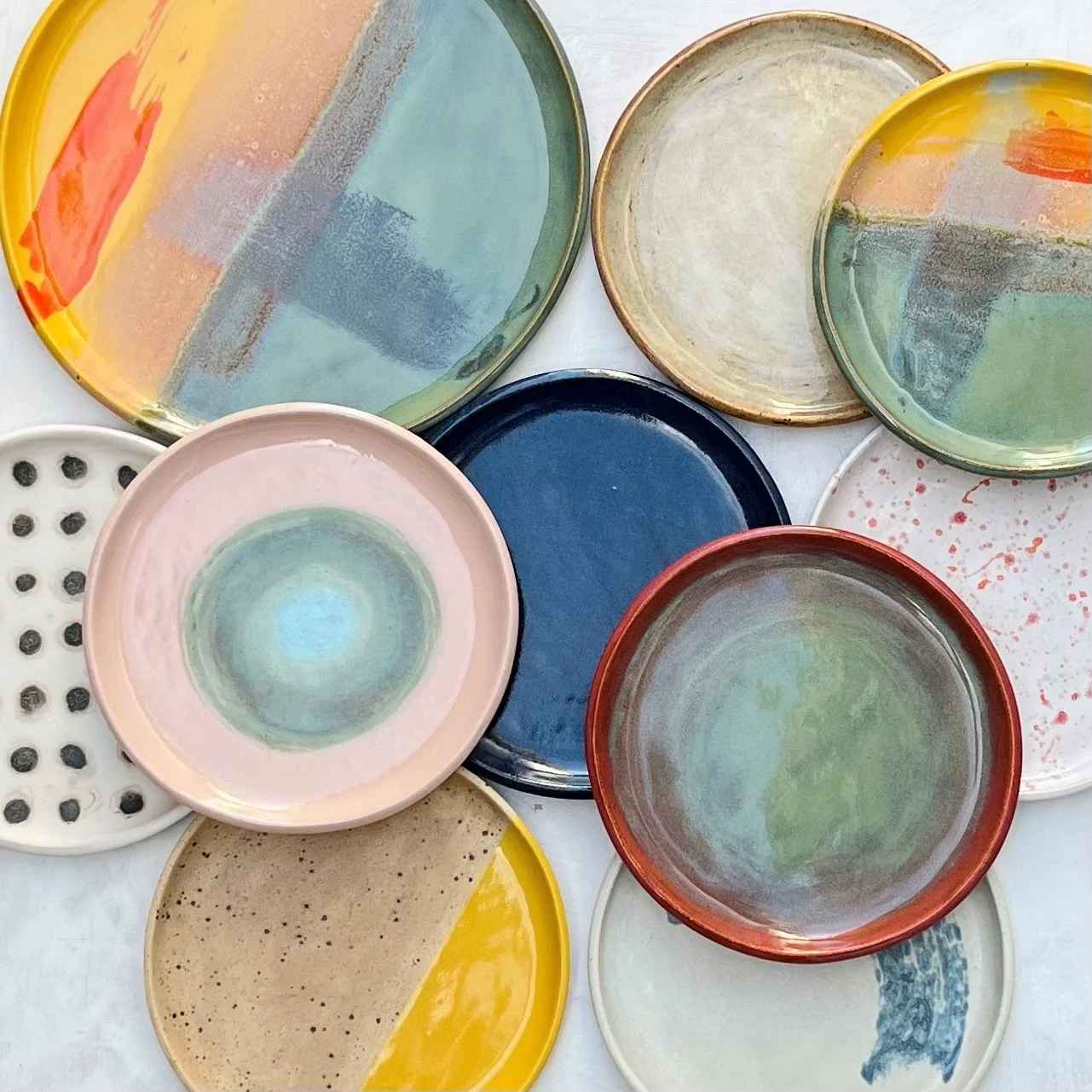
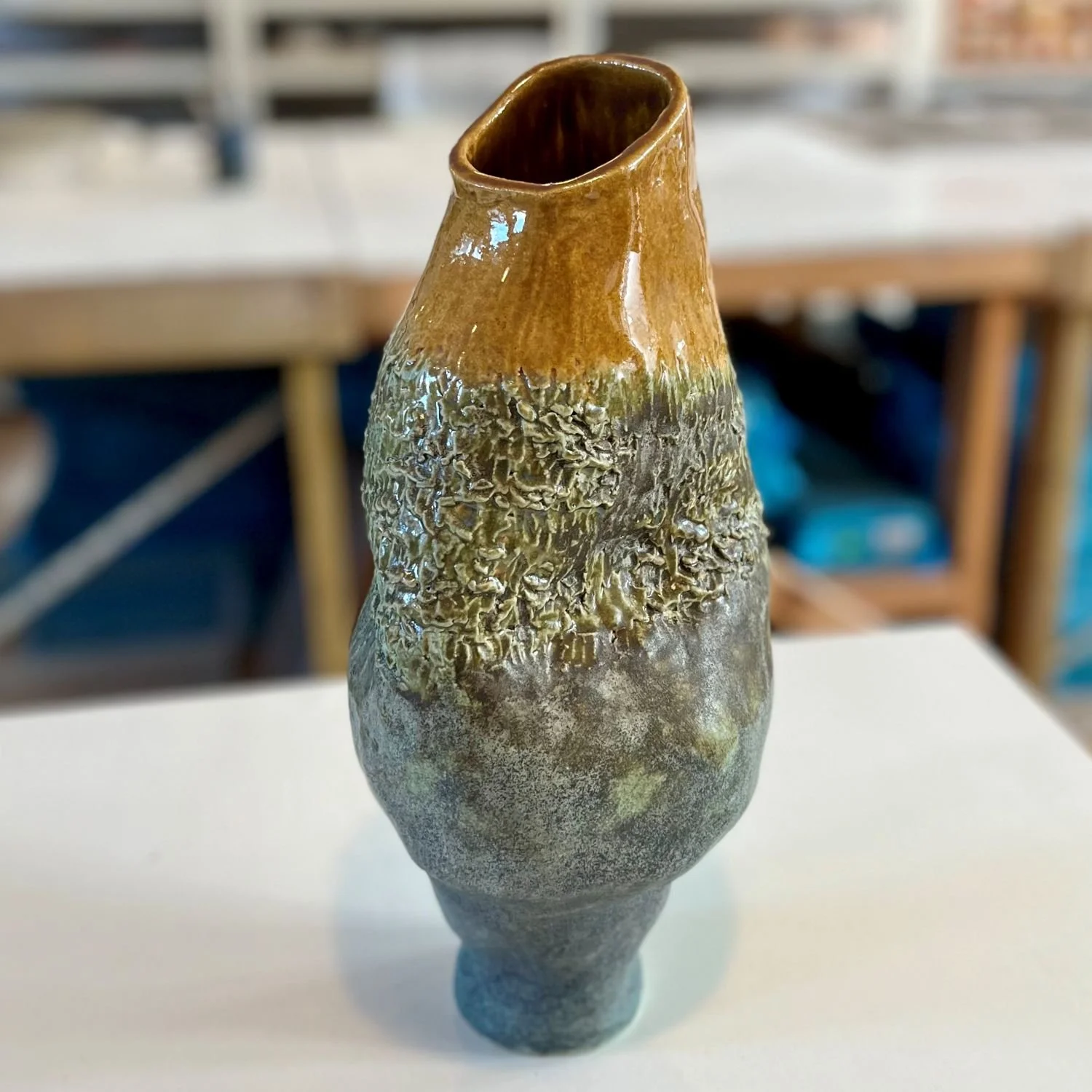
After the bisque firing, glaze is applied. This is where the colour, texture and finish comes to life. Whether you choose a glossy white, a rich matte black or an earthy speckled glaze, this stage dramatically changes the appearance of your work.
Step 5: Glaze Firing
Your pottery returns to the kiln for a second firing at an even higher temperature. In our studio we fire to stoneware around 1240°C. (11 hours firing and 24-28 hours to cool down) During this firing the glaze melts and bonds permanently to the ceramic, creating a durable finish suitable for everyday use.
When Can You Collect Your Pottery?
Most students collect their finished work around two to four weeks after their class. The exact timing depends on drying conditions, kiln schedules and glazing, but we always want to ensure every piece has been carefully finished before it leaves the studio.
Why the Wait Is Worth It
In a world where almost everything is instant, pottery teaches patience. Each stage of the ceramic process is essential, and there's something particularly satisfying about returning a few weeks later to collect something you made entirely by hand.
If you're thinking about trying pottery for the first time as a beginner, don't let the waiting put you off. The finished piece is always worth it.
Further Reading-
03/08/26