
Making Pottery at Home: A Beginner's Guide to Clay, Kilns and Pottery Kits
There is something wonderfully direct about making pottery at home. A piece of clay, your hands and a little time are often all you need to begin. You don't need to have your own pottery studio, a professional kiln or years of experience. In fact, making pottery at home can be a great way to discover whether working with clay is something you want to explore further.
At Andrew Walker Ceramics, we offer Pottery at Home Kits and studio kiln services, giving you the opportunity to make at home and then have your finished work professionally fired.
Can you make pottery at home?
Absolutely. Many people assume that making ceramics requires a pottery wheel, large studio, specialist equipment and a kiln. While these things can be useful as you progress, they aren't essential for getting started.
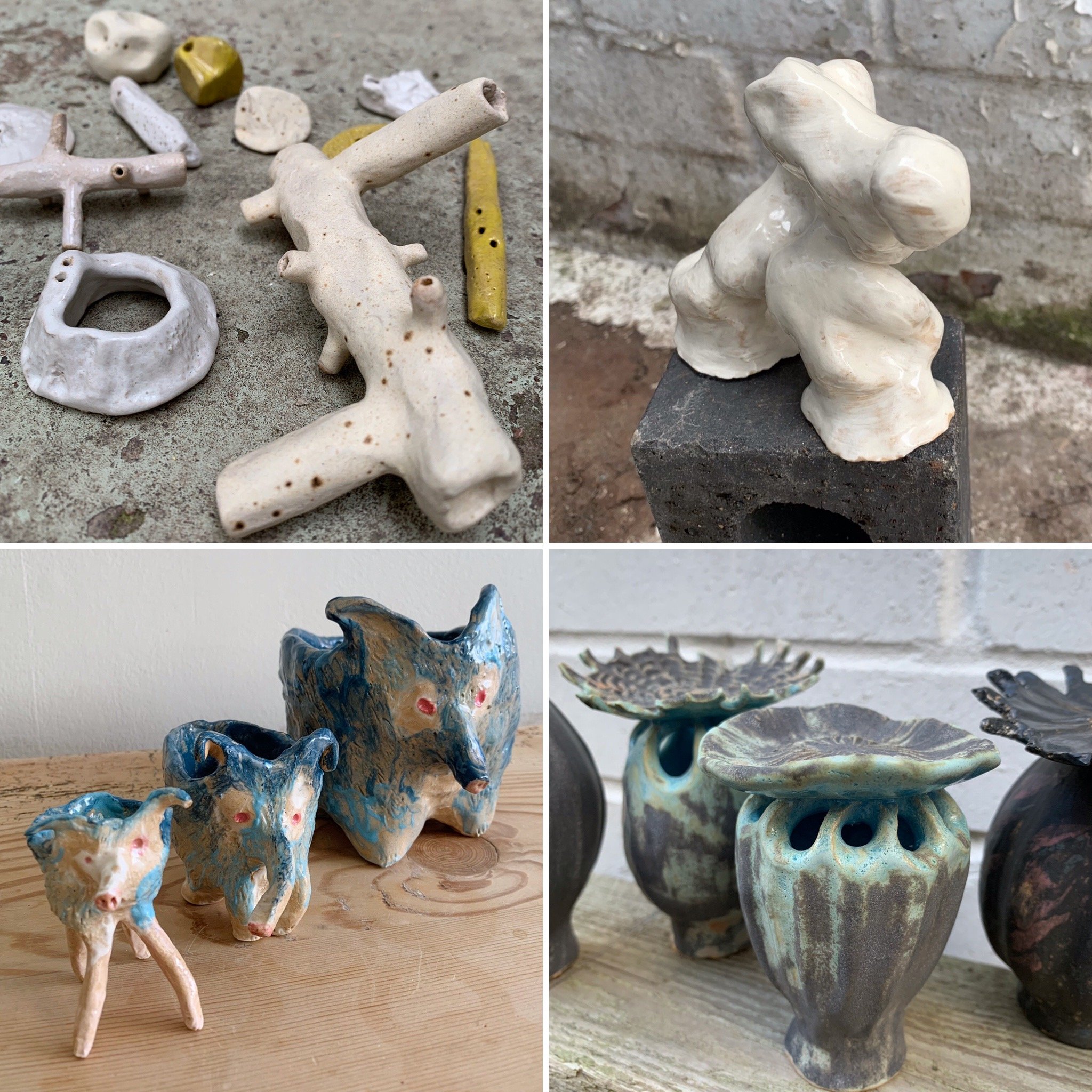
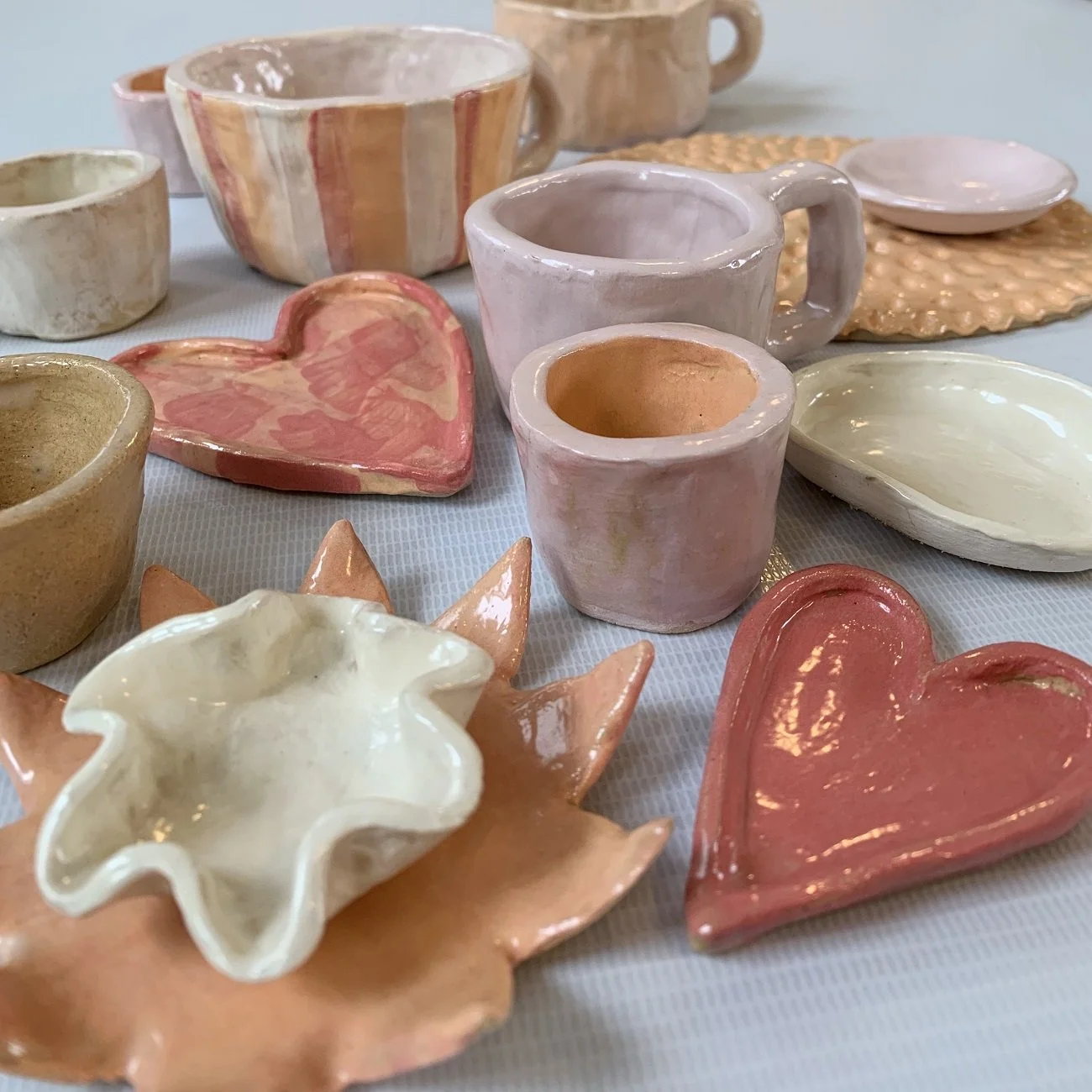
Hand-building pottery is particularly well suited to making at home. Instead of using a wheel, you can shape clay using simple techniques such as pinching, coiling, carving etc. These techniques allow you to make everything from small dishes and tiles to sculptural vessels and decorative objects.
The most important thing is to start with an achievable project and give yourself time to experiment.
What do you need to make pottery at home?
The good news is that you don't need a huge collection of equipment. For simple hand-building projects you’ll generally need clay, a work surface, a few basic modelling tools and somewhere to let your work dry.
Our Pottery at Home Kit is designed to make getting started easier, bringing the materials and guidance together so you can explore making ceramics away from the studio. It's a useful option if you've already enjoyed a pottery class and want to continue making, or if you're simply curious about working with clay for the first time.
What pottery can you make at home?
For your first project, smaller objects are often the best place to start.
Small Dishes and Bowls- A simple hand-built dish is a great beginner project. You can leave the surface relatively minimal or introduce texture, carving and impressed patterns.
Decorative Tiles- These offer a lot of creative freedom without requiring complicated construction. Experiment with geometric shapes, architectural textures or repeated patterns.
Small Sculptural Forms- If functional pottery isn't your thing, clay can also be used to create abstract or architectural objects.
Think about form, balance, negative space and texture rather than simply trying to make a traditional pot.
Coiled Vessels- Coiling is one of the oldest pottery techniques and is remarkably versatile. Build the walls gradually by adding coils of clay, then leave some of the construction marks visible or smooth the surface into a more refined form.
Can you make pottery at home without a kiln?
This is one of the most common questions beginners ask. Traditional pottery clay needs to be fired in a kiln to become a durable ceramic object. Unlike air-drying clay, it isn't simply finished once it has dried.
However, you don't necessarily need your own kiln. This is where professional studio kiln services can make pottery at home much more accessible. You can make your pieces at home, allow them to dry properly and then bring them to a pottery studio for firing. Rather than investing in an expensive kiln yourself, you can make use of an existing professional kiln.
Our studio kiln services provide an option for makers who don't have access to their own kiln.
This means you can enjoy the creative part of pottery at home without needing to turn your spare room, garage or kitchen into a fully equipped ceramics studio.
How long does pottery take to dry?
One of the less glamorous — but very important — parts of making pottery at home is drying. Clay needs to dry gradually and evenly before it can be fired. If it dries too quickly or unevenly, cracks can develop. Avoid placing freshly made work directly beside a radiator or in strong sunlight, depending on the size and construction of your piece, drying can take several days. Patience is part of the process.
Your pottery also needs to be completely dry before it can go into a kiln. Any remaining moisture can cause problems during firing, which is why professional kiln services have requirements for accepting work.
What happens when pottery goes into a kiln?
Once your piece is completely dry, it is ready for its first firing, known as a bisque firing. The kiln heats the clay to a high temperature, transforming the fragile dried clay into a permanent ceramic material. After bisque firing, you can apply glaze if your project requires it before the piece is fired again.
The result is one of the most satisfying parts of making ceramics: something that started as a lump of clay has been transformed into a finished ceramic object.
Making pottery at home vs joining a pottery class
Making pottery at home and learning in a pottery studio offer very different experiences.
At home, you have the freedom to work at your own pace and experiment without worrying about class times. It's a particularly enjoyable way to develop ideas between studio sessions. A pottery class, on the other hand, gives you access to specialist equipment, professional guidance and the opportunity to learn alongside other people. For many makers, the two work particularly well together.
You might start with a pottery class in Sheffield, learn some basic hand-building techniques, continue experimenting at home and then use a professional kiln service to fire your work.
Over time, your home projects can become more ambitious as your understanding of clay develops.
You don't need to make perfect pottery
Perhaps the best reason to make pottery at home is that it doesn't have to be perfect. Clay records how it has been handled; fingerprints, slight irregularities, changes in texture and small variations in form can all become part of the character of a handmade object.
Rather than trying to make something that looks factory-produced, allow yourself to see what happens when you work directly with the material. That's where much of the pleasure of ceramics comes from.
Ready to start making pottery at home?
If you've been thinking about trying pottery at home, start small. Choose a simple project, give yourself enough time to work without rushing and embrace the experimental nature of clay.
Our Pottery at Home Kit is a simple way to begin exploring hand-building away from the studio.
And when you've made something you're proud of, our studio kiln services can help take your work through the firing process.
You don't need to build a pottery studio at home to become a maker, all you need is some clay, a little curiosity and somewhere for your ideas to go.
Further Reading-
19/08/2026