
Why Hand Building Pottery Is Better for Beginners Than the Pottery Wheel
If you've been thinking about trying pottery, you've probably imagined someone sitting at a spinning wheel effortlessly creating a beautiful vase. It certainly looks satisfying. What many people don't realise is that the pottery wheel is one of the most technically demanding ways to begin working with clay.
Over the last 10+ years as a ceramic artist, I've explored many different ways of working with clay, but hand-building has always been the technique I return to. There's something incredibly satisfying about starting with a simple slab or coil of clay and transforming it into a functional or sculptural object with your own hands. The creative possibilities are almost endless, and no two pieces are ever the same.
For the past seven years, I've had the privilege of teaching pottery from my Sheffield studio, and I've found that hand-building is the perfect introduction for beginners. Rather than focusing on the technical challenge of mastering the pottery wheel, students can slow down, connect with the material and enjoy the process of making. Time and again, I see people leave their very first pottery course with beautiful pieces they're genuinely proud of—and often with a new passion for ceramics.
The Pottery Wheel Has a Steep Learning Curve
Throwing on the wheel requires several skills at once.
You'll need to:
centre the clay
control speed and water
coordinate both hands
maintain even pressure
shape the form before the clay collapses
It can be so rewarding, but beginners often spend much of their first lesson learning control rather than creating finished pieces. For many people, this can feel frustrating.
Hand-Building Lets You Focus on Creativity
Hand-building removes the pressure of mastering a machine. Instead, you concentrate on ideas, form and making.
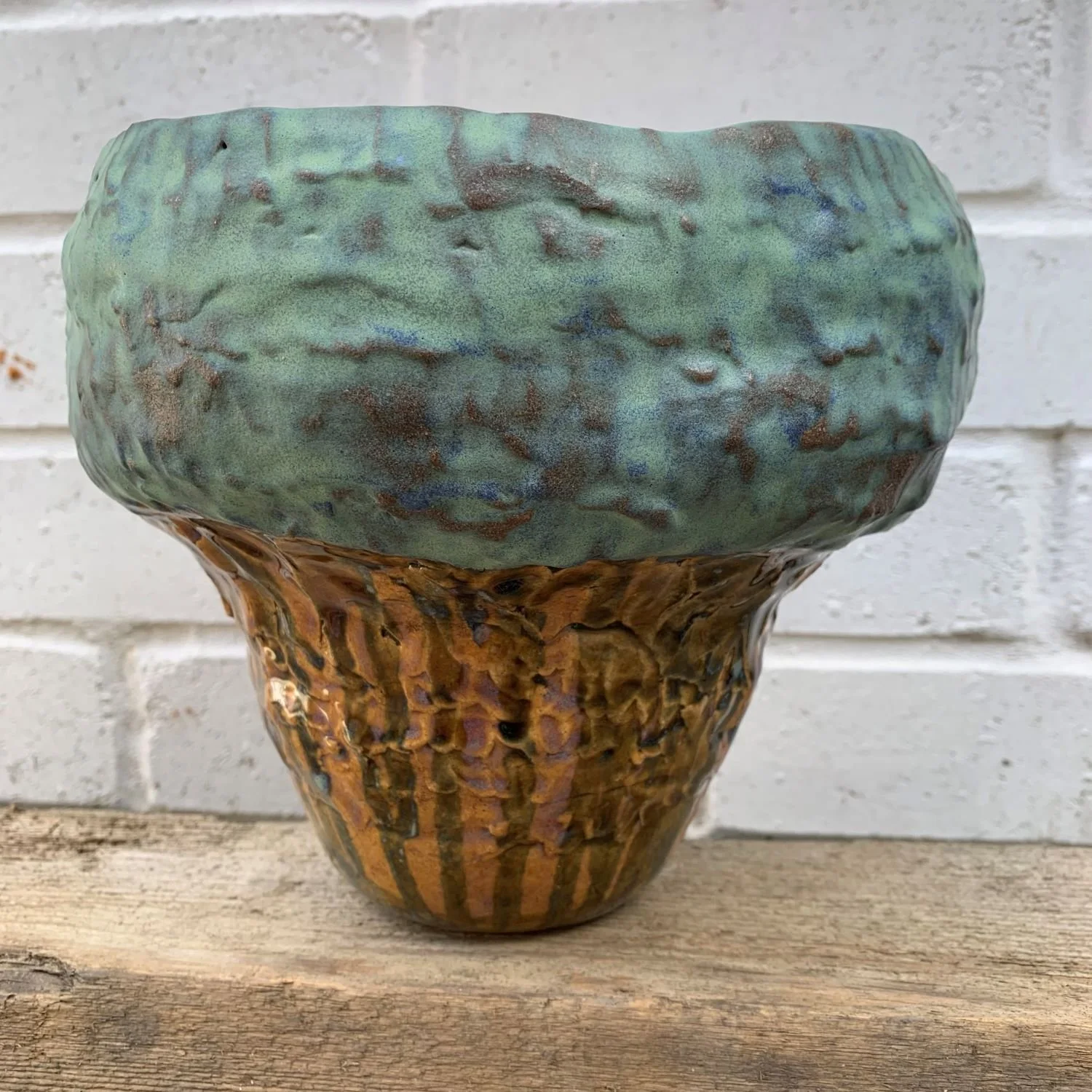
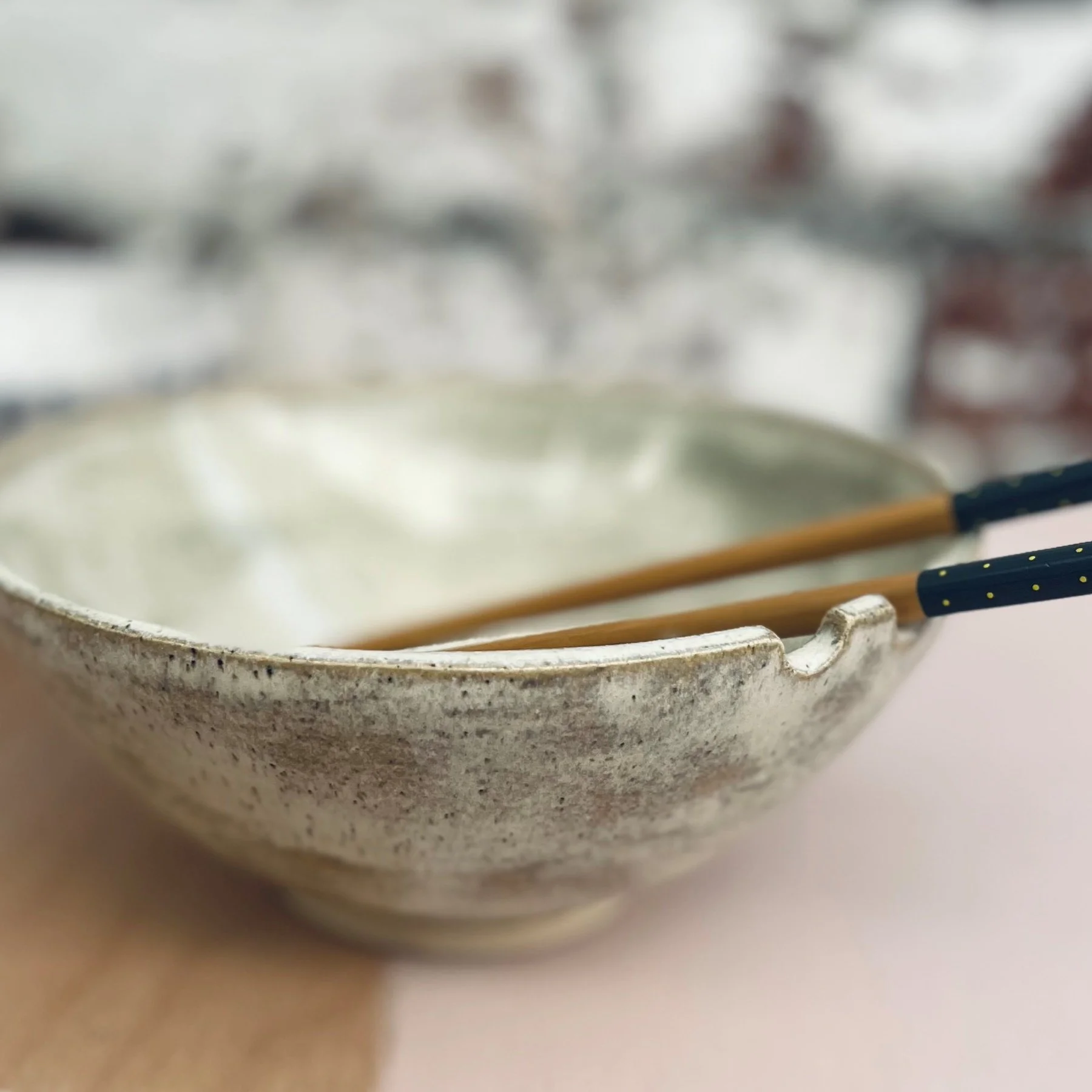
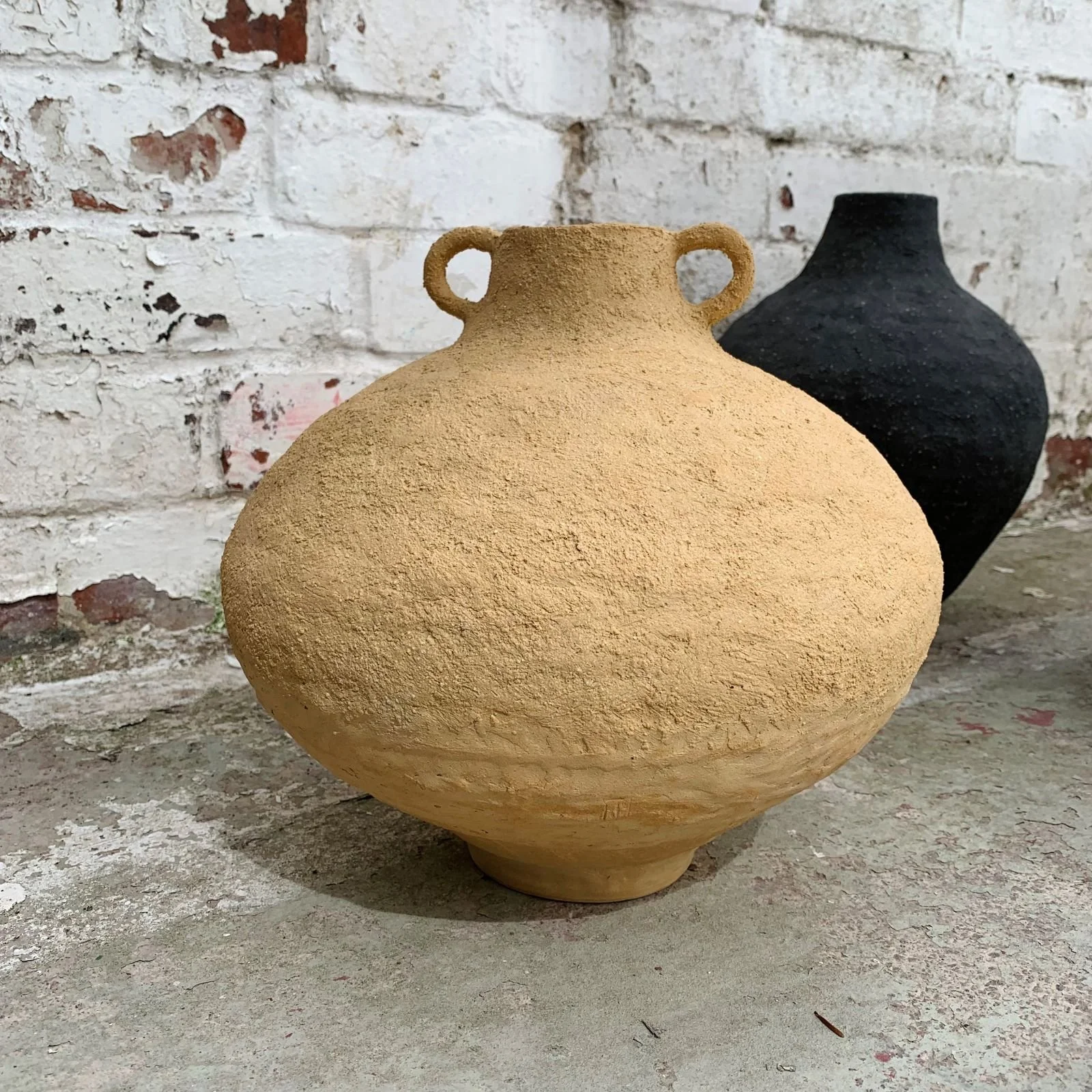
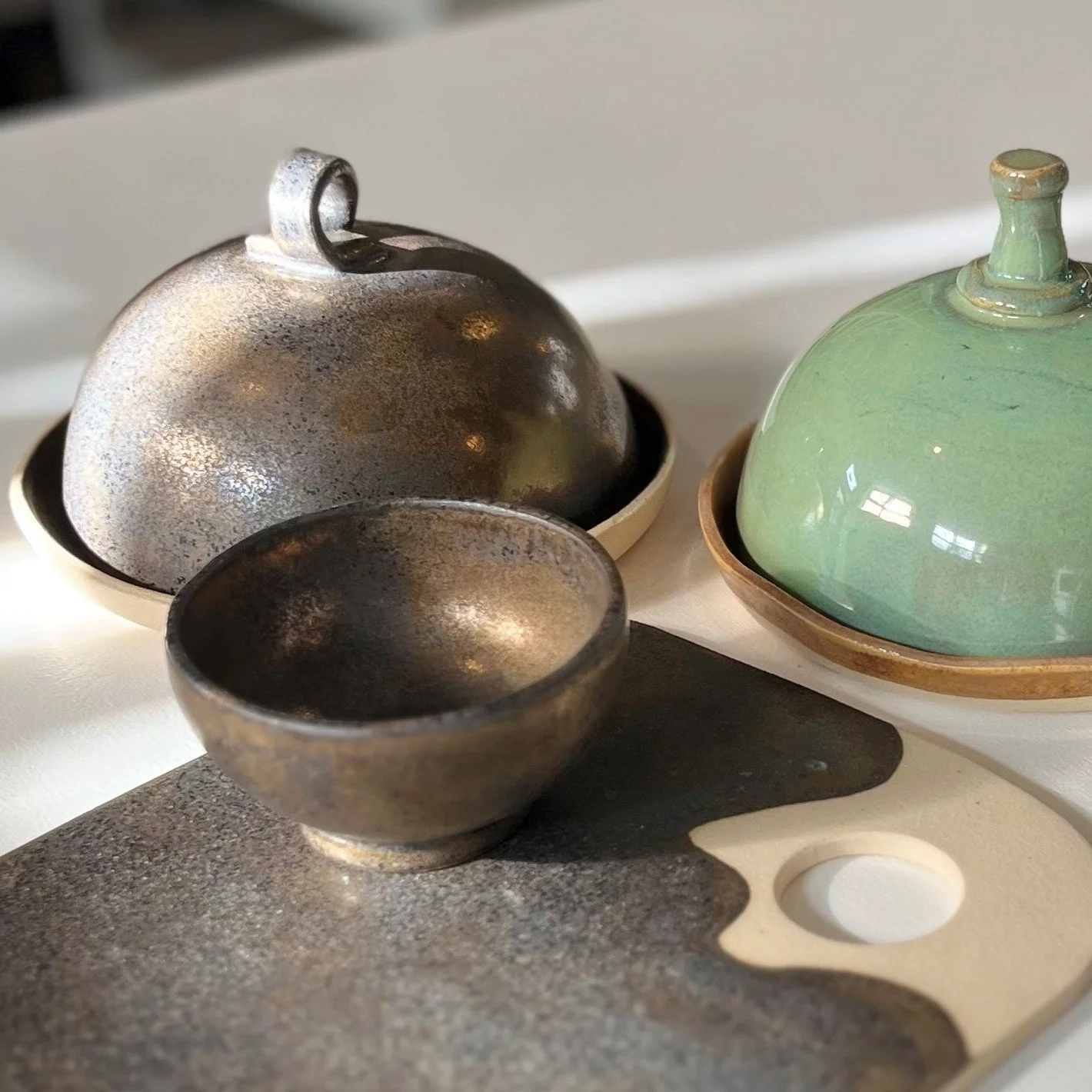
Using techniques such as slab building, coiling, pinch construction, carving, texture and sgraffito decoration. You can create functional or sculptural ceramics without worrying about the technical challenges of the wheel. It's one of the reasons our pottery classes are suitable for complete beginners.
You'll Usually Create More Finished Work
One of the biggest surprises for many new students is how much they make during a hand-building workshop. Rather than spending hours practising one technical movement, you'll often leave having created bowls, serving dishes, vases or decorative pieces that simply need firing. Seeing your own finished work is hugely rewarding and gives many people the confidence to continue learning through additional classes or independent working.
There Are Fewer Rules
Hand-building encourages experimentation and you don't need perfect symmetry.
You can embrace or not embrace texture.
You can explore architectural forms, organic shapes or functional objects.
Every piece reflects the maker rather than trying to copy a perfect cylinder, this freedom is one reason many professional ceramic artists continue using hand-building throughout their careers.
Is the Pottery Wheel Still Worth Learning?
Absolutely.
The pottery wheel is an incredible skill and many people eventually choose to learn it. But understanding clay first often makes learning the wheel much easier later. Once you understand drying, joining, thickness and form, you'll approach throwing with greater confidence.
Which Is Right for You?
If your goal is to:
relax after work
enjoy a creative experience
make something you'll actually use
learn new skills
spend quality time with friends or a partner
Hand-building is usually the perfect starting point for most people.
Ready to try pottery for yourself?
Explore our beginner-friendly pottery classes in Sheffield and discover how enjoyable working with clay can be. Whether you're looking for creative things to do in Sheffield, booking for yourself, organising a special event, planning a date night or buying a gift voucher, there's a workshop for every level.
Andrew Walker Ceramics offers small, welcoming pottery classes in Sheffield for complete beginners and returning makers. Every workshop includes materials, tools and expert guidance in a calm studio environment. If you've been waiting for the perfect excuse to try pottery, this is it.
Frequently Asked Questions
Is hand-building easier than using a pottery wheel?
For most beginners, yes. Hand-building allows you to learn how clay behaves without first mastering the technical challenges of throwing.
Do I need experience?
No. Every beginner pottery class is designed for people with no previous experience.
What can I make?
Bowls, mugs, serving dishes, planters, sculptural pieces, decorative objects and much more.
Will I keep what I make?
Yes. Your work is fired in the kiln and ready for collection once complete.
How long does it take to learn pottery?
Most people create something they're proud of in their very first class. Like any craft, confidence develops with practice, but beginners are often surprised by what they achieve.
You might also enjoy- why ceramics make such meaningful gifts
29/06/2026