
From Beginner to Maker: How Students Progress in the Studio
Almost everyone walks into their first pottery class feeling unsure. They worry they won’t be creative enough, skilled enough, or able to make anything worthwhile. But pottery has a way of changing people’s relationship with creativity surprisingly quickly.
The First Class: Learning to Slow Down
For most beginners, the first session is about becoming comfortable with clay.
That means:
Learning simple techniques
Understanding how clay behaves
Letting go of perfection
There’s often a moment during that first class where people realise they’re fully focused on what’s in front of them for the first time in weeks. That feeling is usually what brings them back.

Building Confidence Through Repetition
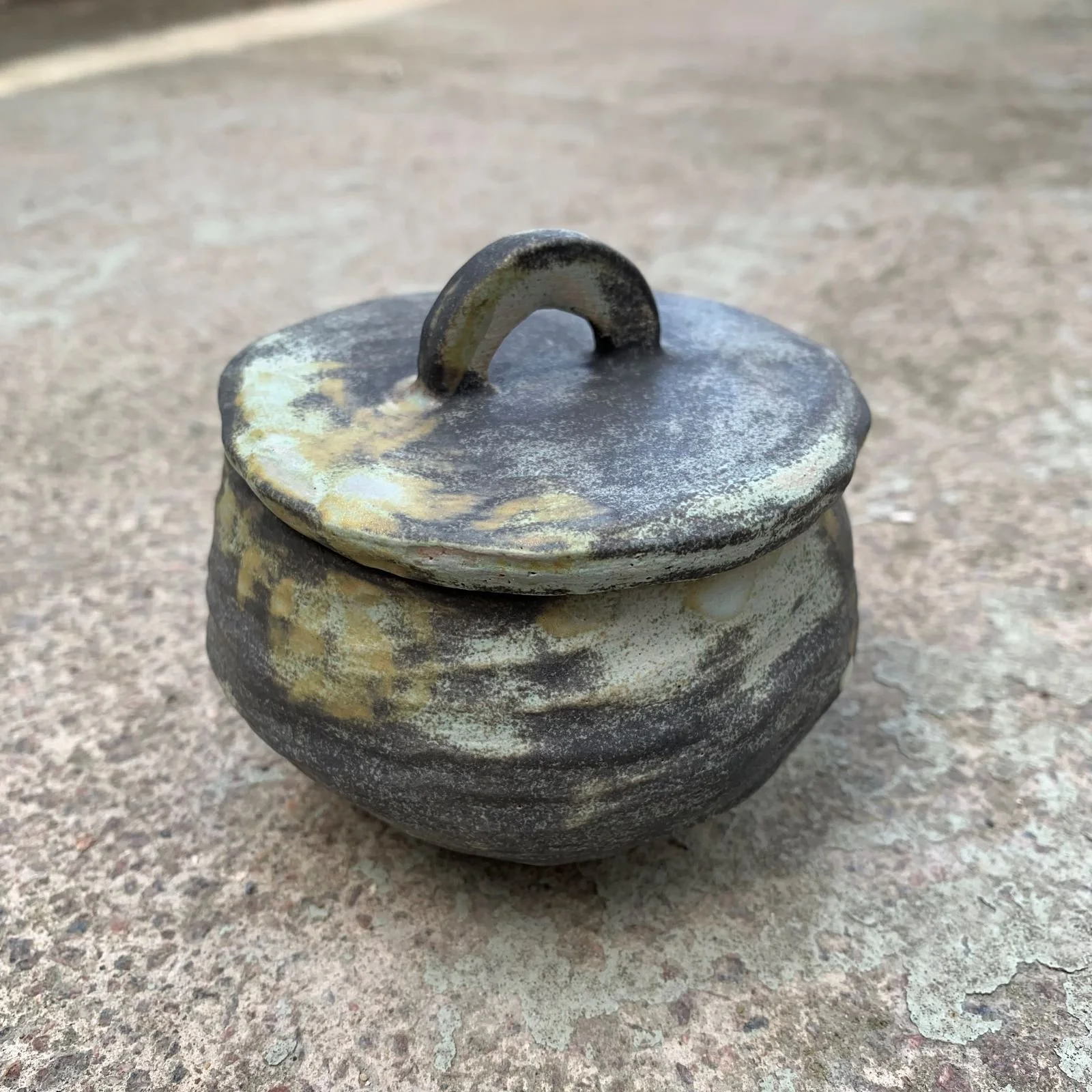
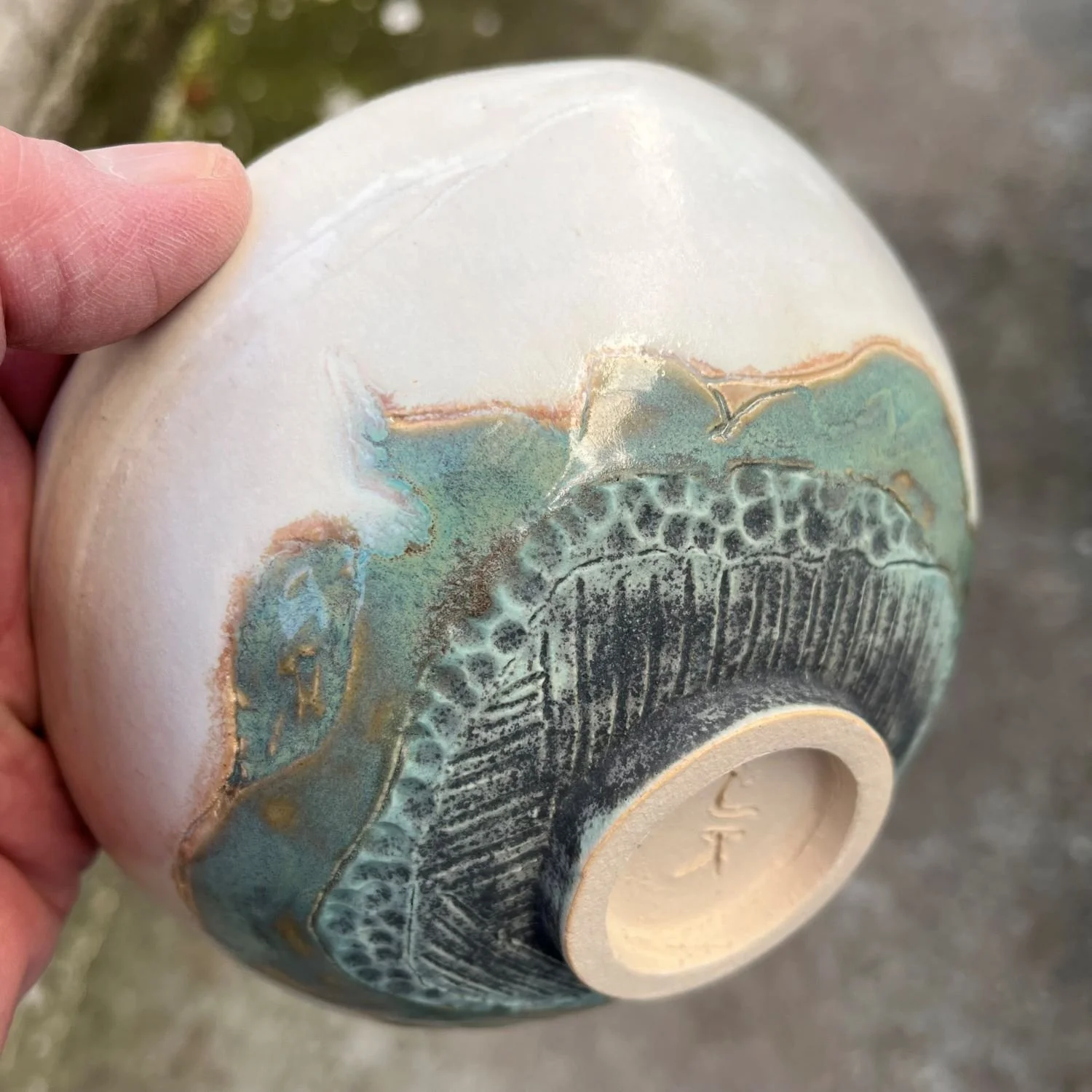
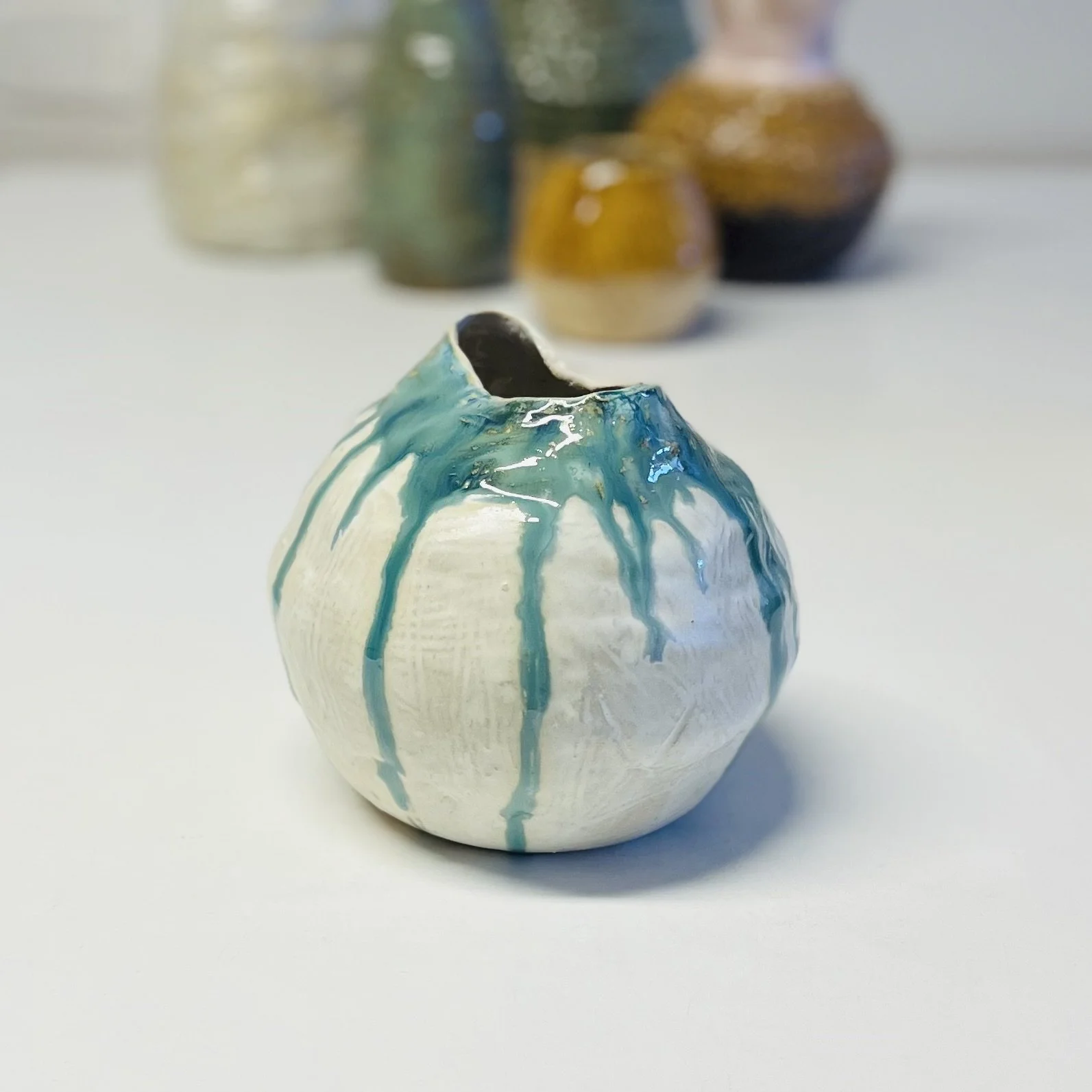
Pottery is one of those skills where progress happens gradually. At first, students focus on simple forms, basic shaping techniques and gain an understanding structure and thickness. Then slowly, confidence develops, pieces become more refined and ideas become more ambitious. People start experimenting rather than simply following instructions.
Discovering a Personal Style
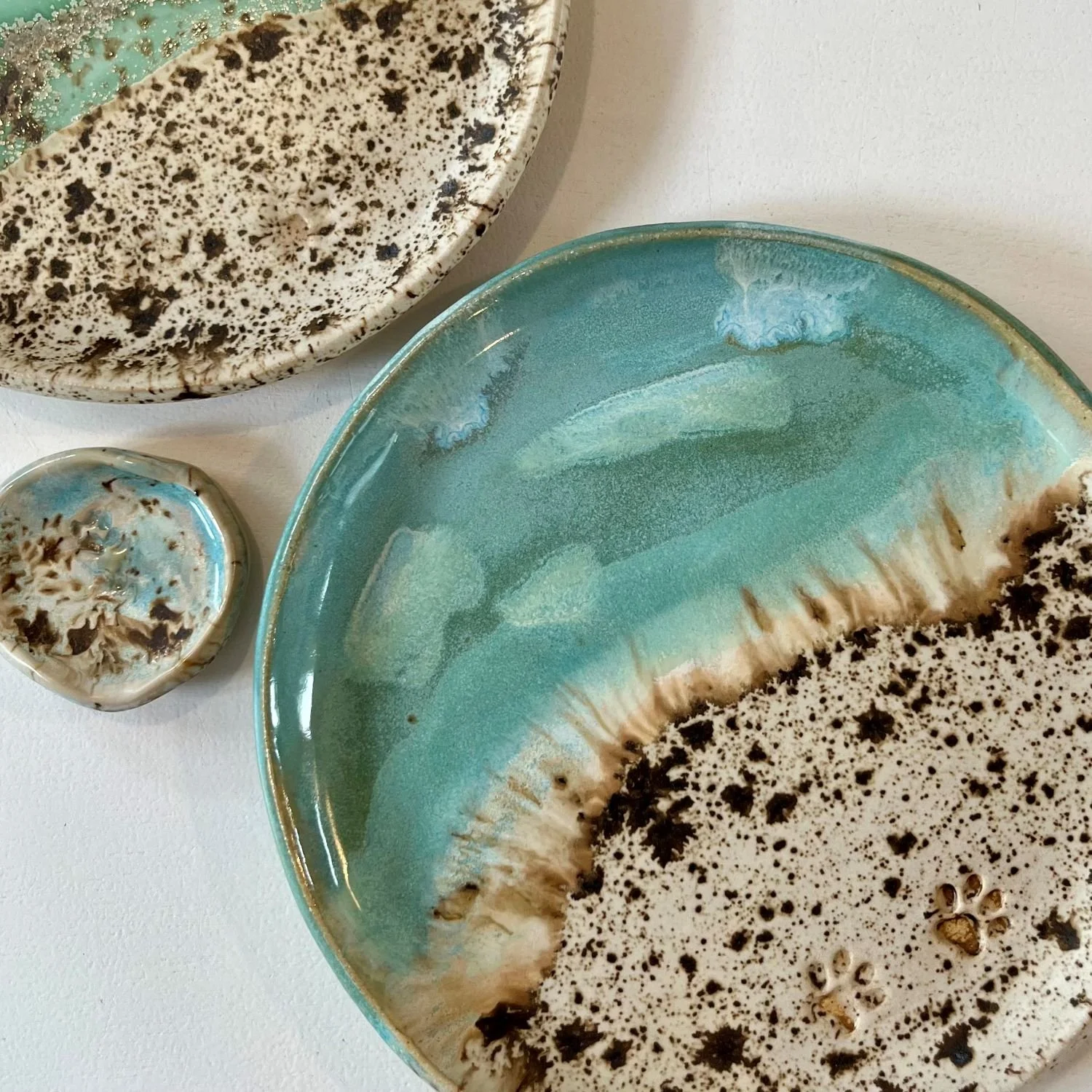
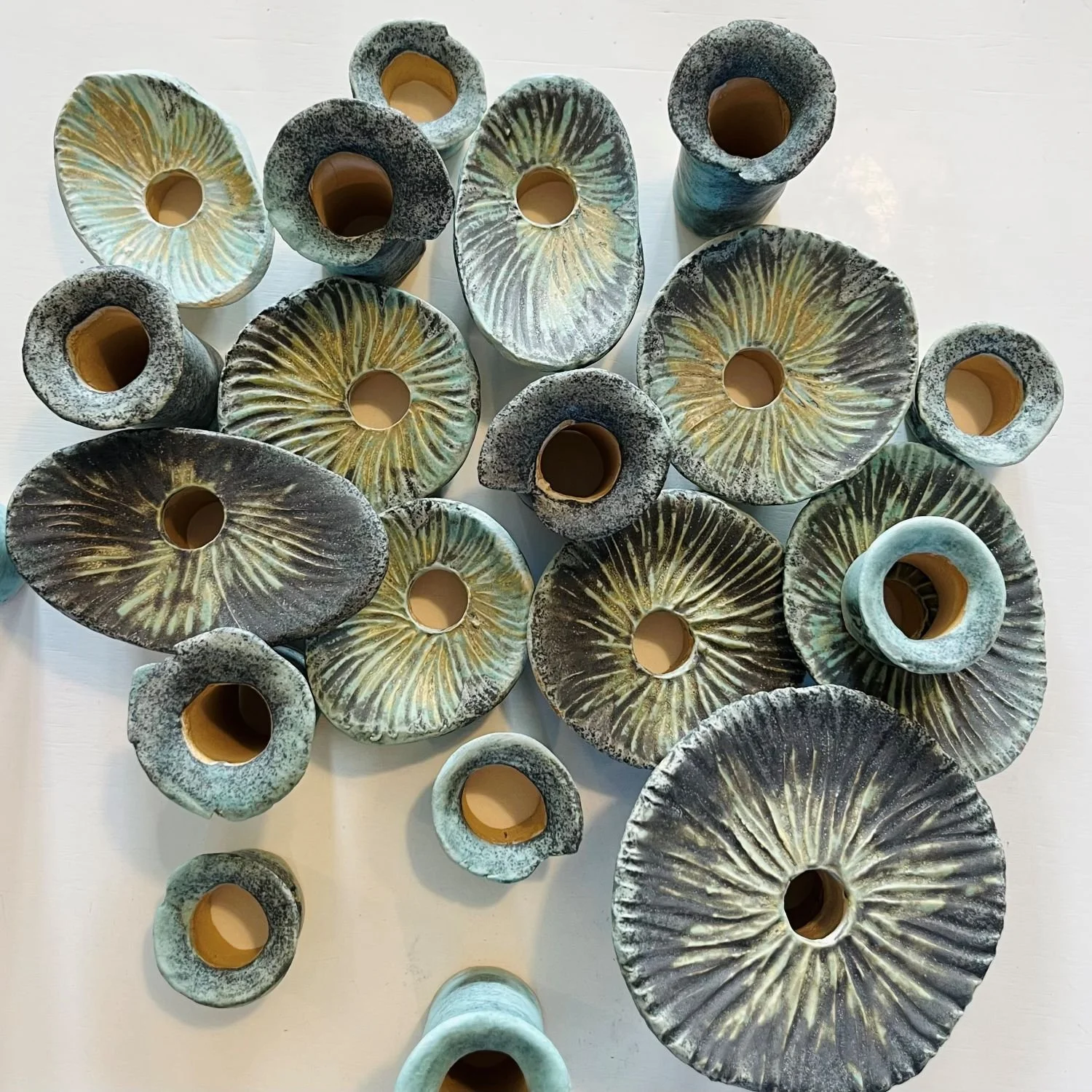
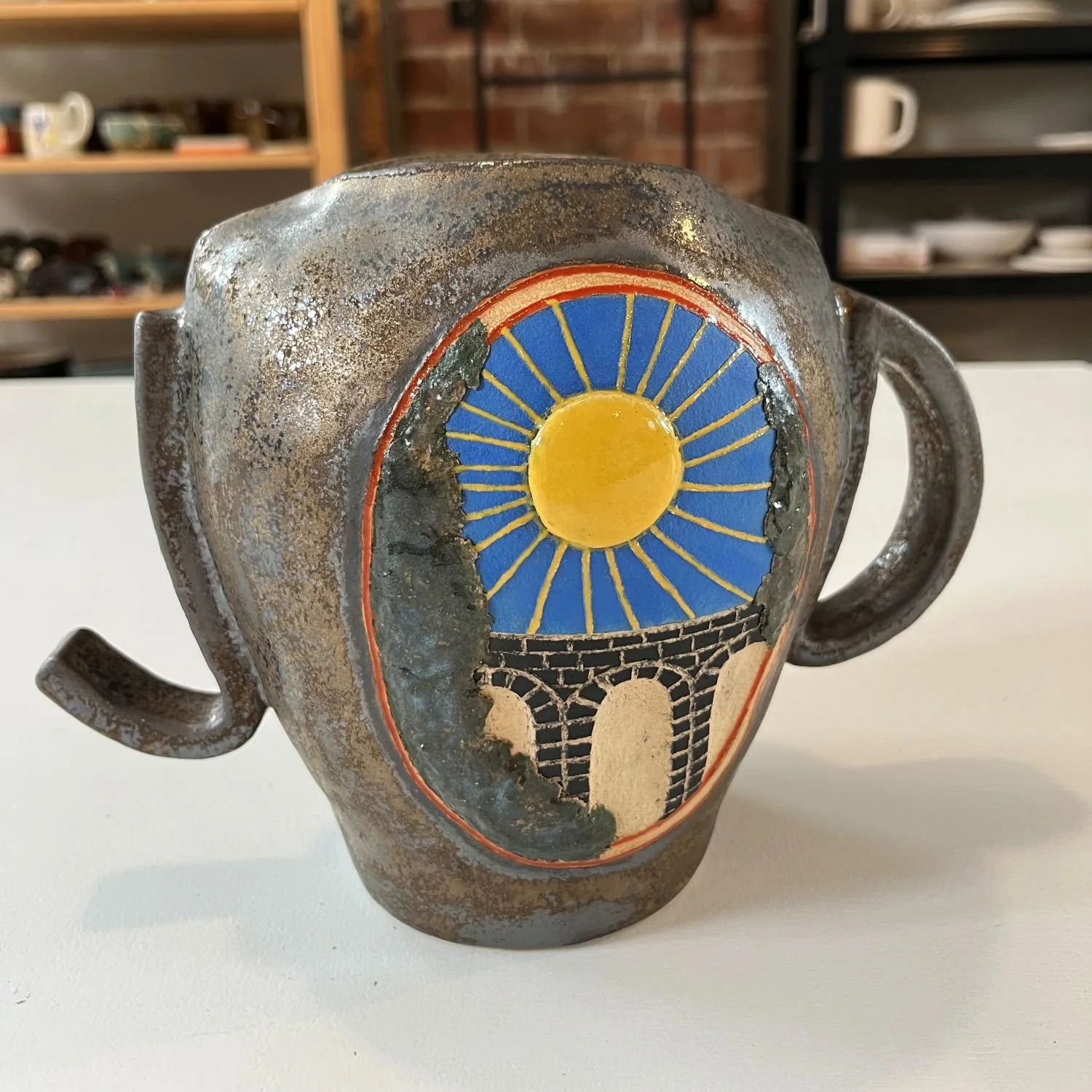
One of the most rewarding parts of ceramics is watching people develop their own visual language. Some become interested in functional pottery while other love sculptural forms or surface texture, no two makers progress in exactly the same way. That individuality is what makes a studio environment so inspiring.
Moving Into Studio Membership
After regular classes, many students want more independence. Studio membership allows makers to:
Work at their own pace
Spend more time practicing
Develop personal projects
Experiment more freely
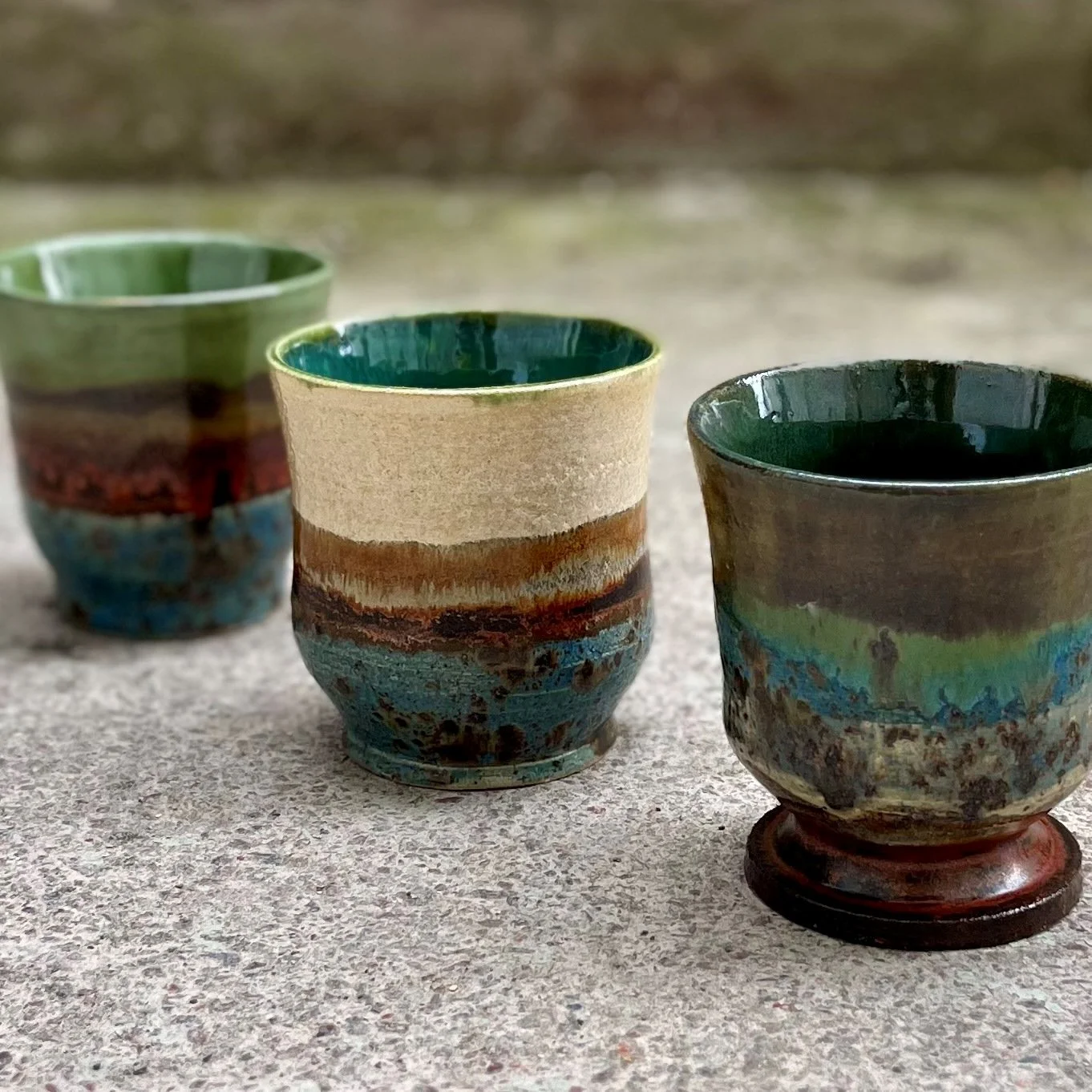
This is often where the biggest transformation happens. People stop seeing themselves as “someone trying pottery” or constantly comparing their skills with others, instead they begin identifying as makers in their own right.
Learning Beyond Technique
Pottery teaches far more than technical skill. Over time, students develop:
Patience
Observation
Creative confidence
Problem-solving skills
Clay has a way of teaching resilience too. Pieces crack, collapse, warp, or fail in the kiln—this is all part of being a pottery maker, and learning to adapt becomes part of the process.
The Importance of Studio Community
Progress in ceramics isn’t just individual. Studios create environments where people learn by watching others, sharing techniques and discussing ideas. That creative atmosphere becomes incredibly motivating.
Independent Making
Eventually, many students reach a point where they can confidently:
Plan projects independently
Develop their own forms
Explore advanced techniques
Create consistent bodies of work
That journey—from complete beginner to independent maker—is one of the most satisfying aspects of ceramics.
Interested in Starting Your Own Ceramics Journey?
Every experienced maker started with a first class- see our beginner’s guide.
Whether you’re curious about pottery or looking to develop your skills further, the studio offers space to learn, experiment, and grow creatively over time.
→ Explore pottery classes, FAQ and studio membership in Sheffield.
You may also enjoy- Is a Pottery Studio Membership Worth It? A Complete Guide
11/05/2026