
Brutalist Ceramics & Architectural Objects for Modern Interiors
Brutalism has never really disappeared, It’s influence continues to appear in architecture, furniture, lighting, interiors and increasingly in decorative objects. The appeal is easy to understand with it’s strong geometry, honest materials, dramatic shadows and an appreciation of structure.
What makes a ceramic piece feel brutalist?
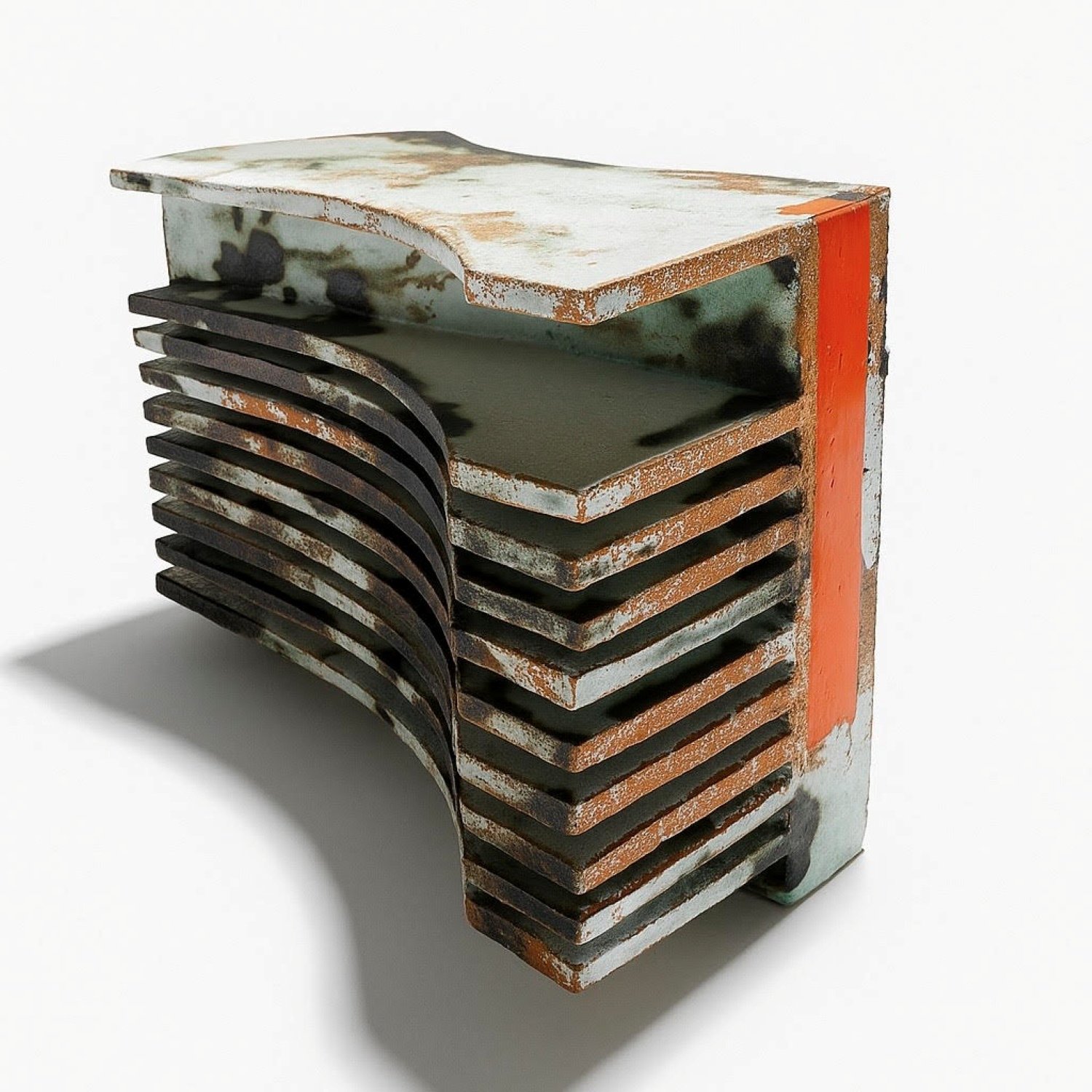
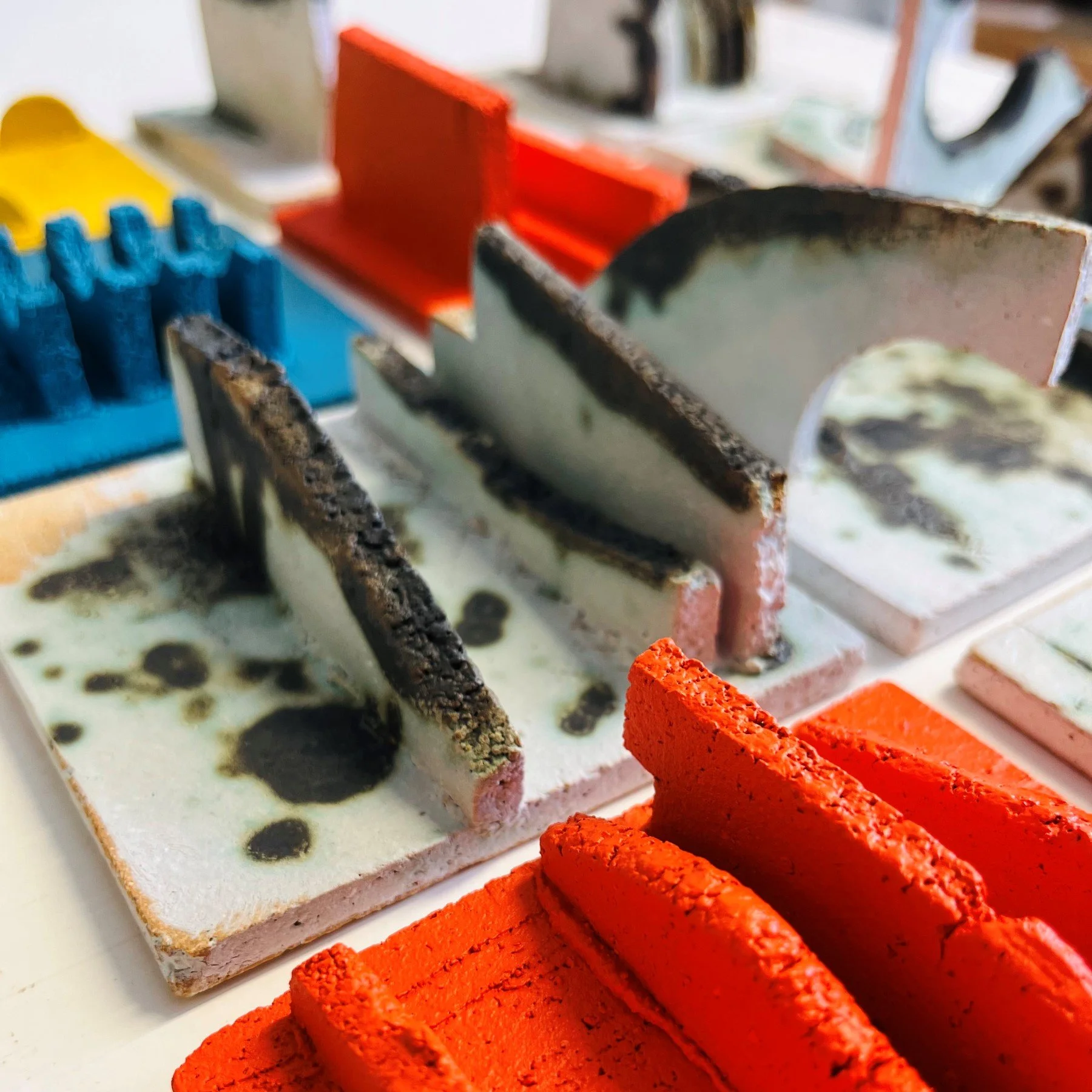
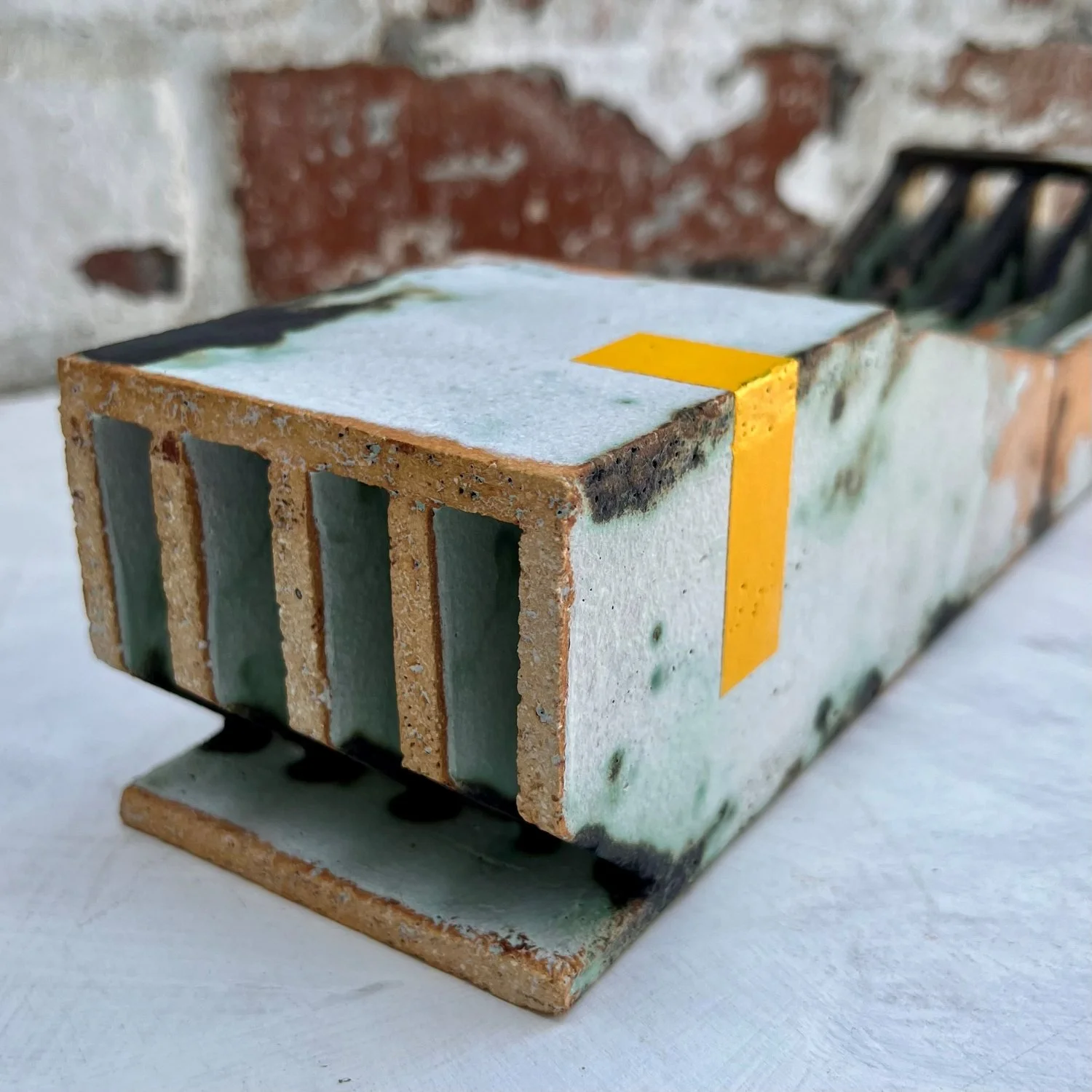
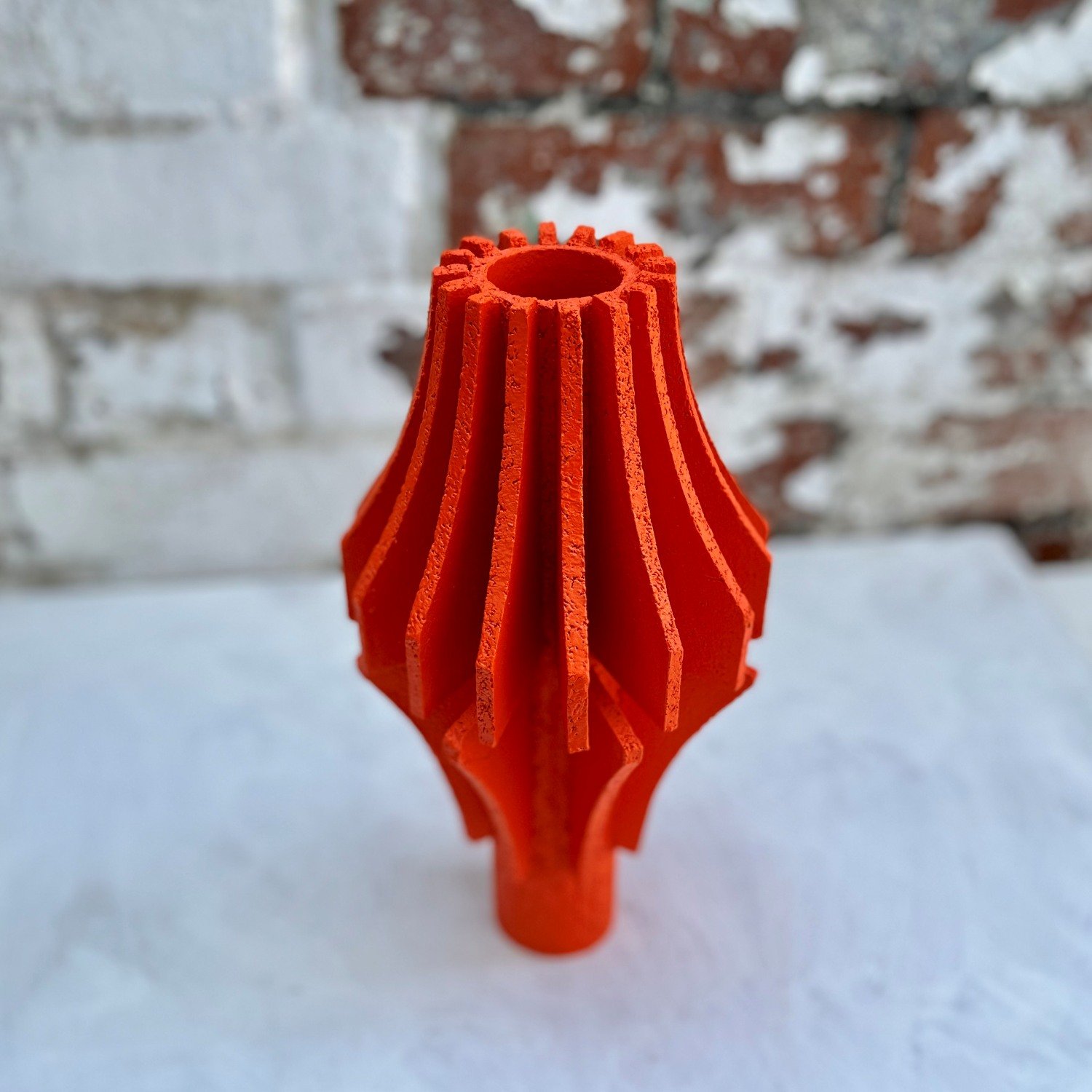
Brutalist-inspired ceramics often use geometric forms, heavy-looking structures, repetition and negative space. This means pieces reply on form rather than decoration; the form becomes the decoration. A ceramic sculpture can be thought of as architecture reduced to a scale that can live inside a home - structural rhythm becomes a repeated ceramic form. This creates a fascinating connection between the object and the architecture around it.
Why brutalist ceramics suit contemporary homes
Modern interiors often rely on relatively simple architectural backgrounds that create an opportunity for sculptural objects to introduce visual weight and interest. Colour and finish is often used to create dramatic contrast or provide a single unexpected accent.
Sheffield and industrial inspiration
Sheffield provides a particularly rich source of inspiration. The city's industrial heritage, infrastructure and changing architectural landscape provide an endless collection of forms, structures and details to reinterpret. Several pieces in Andrew Walker's collection begin with this relationship between architecture and place.
The Substation, for example, takes its inspiration from an industrial structure on Moore Street in Sheffield and translates its geometry into a hand-built ceramic sculpture.
Bringing brutalism home
You don't need to live in a brutalist building to enjoy brutalist-inspired ceramics, try combining one sculptural piece of ceramics with warm timber, stone, linen or vintage furniture. The contrast between hard architectural geometry and softer domestic materials prevents the interior from feeling cold. The result is more personal, tactile and collected.
Discover architectural ceramics
Explore Andrew Walker's collection of handmade architectural ceramics and sculptural vessels, created in Sheffield and inspired by the relationship between architecture, space and light.
Further Reading
16/09/2026